

Shipping from China.
From the factory to your destination. We coordinate consolidation, documentation and transport under the model that serves your operation, not ours.
The incoterm decides what you really pay
Most surprises when importing from China aren't in the product price: they're in who pays for which part of the journey. The incoterm defines how far the seller's responsibility goes. Choosing badly can add 10–20 % in charges nobody mentioned.
| Incoterm | Seller delivers at | You handle | When it fits |
|---|---|---|---|
| EXW | The factory door | Absolutely all transport | Only if you already have your own operator in China |
| FOB | Chinese port, loaded on board | Freight, insurance, customs and inland transport | The most used: you control and compare freight |
| CIF | Your destination port | Customs, taxes and inland transport | Convenient, but the seller picks the carrier |
| DDP | Your warehouse, duties paid | Receiving it | When you want a final price and zero admin |
FOB is used in more than 60 % of Chinese exports. Not a coincidence: it's the point where the buyer takes back control of logistics cost.
What we coordinate
- Cargo consolidation when you buy from several suppliers and want one shipment.
- Sea freight in full container or loose cargo, and air freight when time rules.
- Documentation: commercial invoice, packing list, bill of lading and certificates of origin.
- Coordination with your customs broker at destination, or help finding one.
- Tracking through to delivery.
Sea or air
Sea is several times cheaper and takes weeks; air takes days and is priced by weight. Rule of thumb: high value per kilo and small size can make air profitable. Volume goes by sea. We give you both quotes so you compare with numbers, not instinct.
What we are not
We are not a shipping line or a customs broker in your country. We are the ones who organise the Chinese side and make sure the cargo leaves properly documented and properly packed — which is where almost all delays are born.
How it is quoted
by incotermEXW · FOB · CIF · DDP
There is no single rate because not every client wants the same thing. These are the four scenarios and how far we go in each:
- EXW — we verify everything is correct before loading
- FOB — we handle Chinese customs and transport to the vessel
- CIF — covered through to the destination port you choose
- DDP — all in, to your door, with nothing for you to arrange
We also take smaller orders: not everyone buys by the full container.
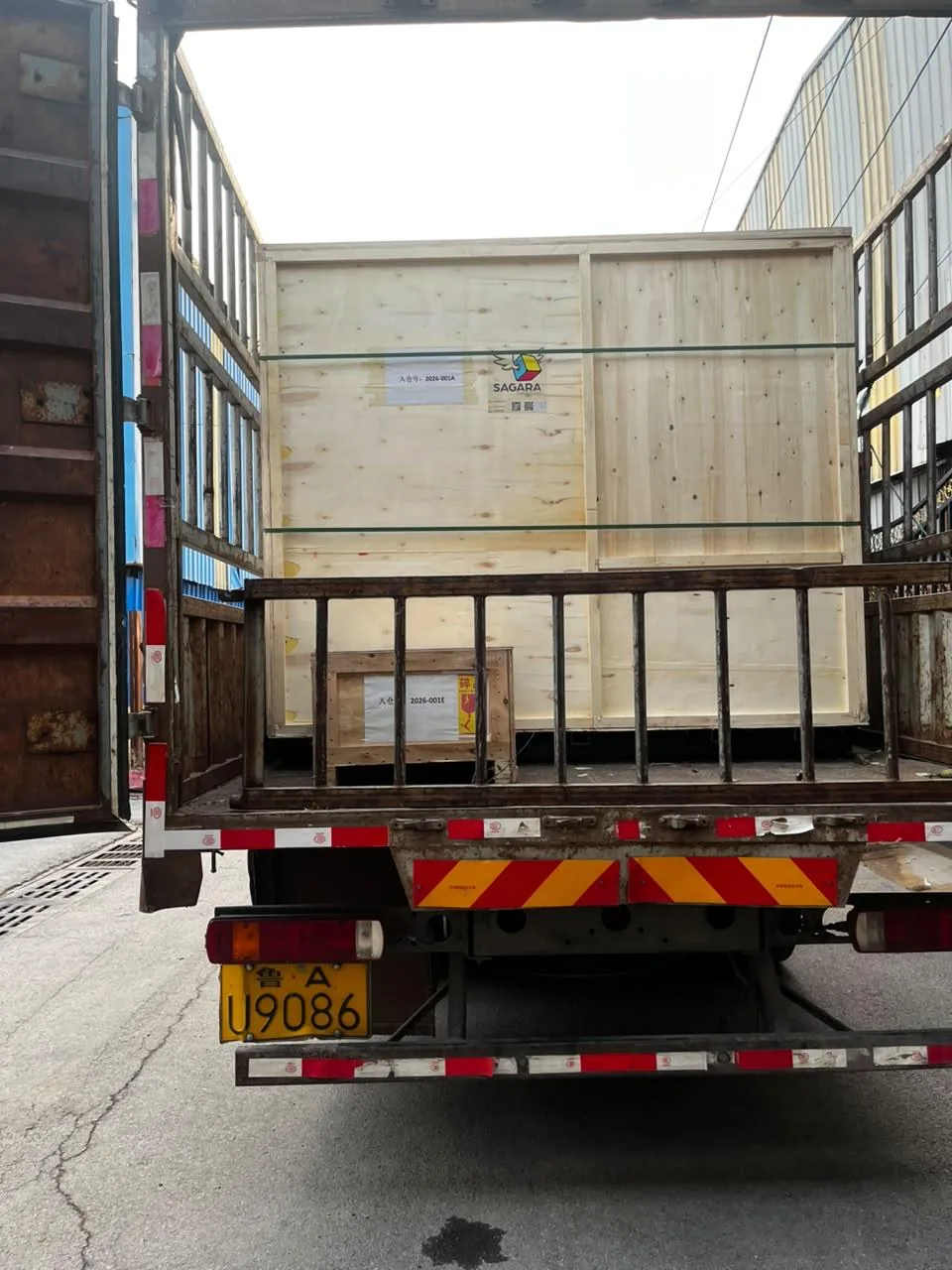
Real cargo
This machine ships tomorrow.
Here's how the journey is prepared.
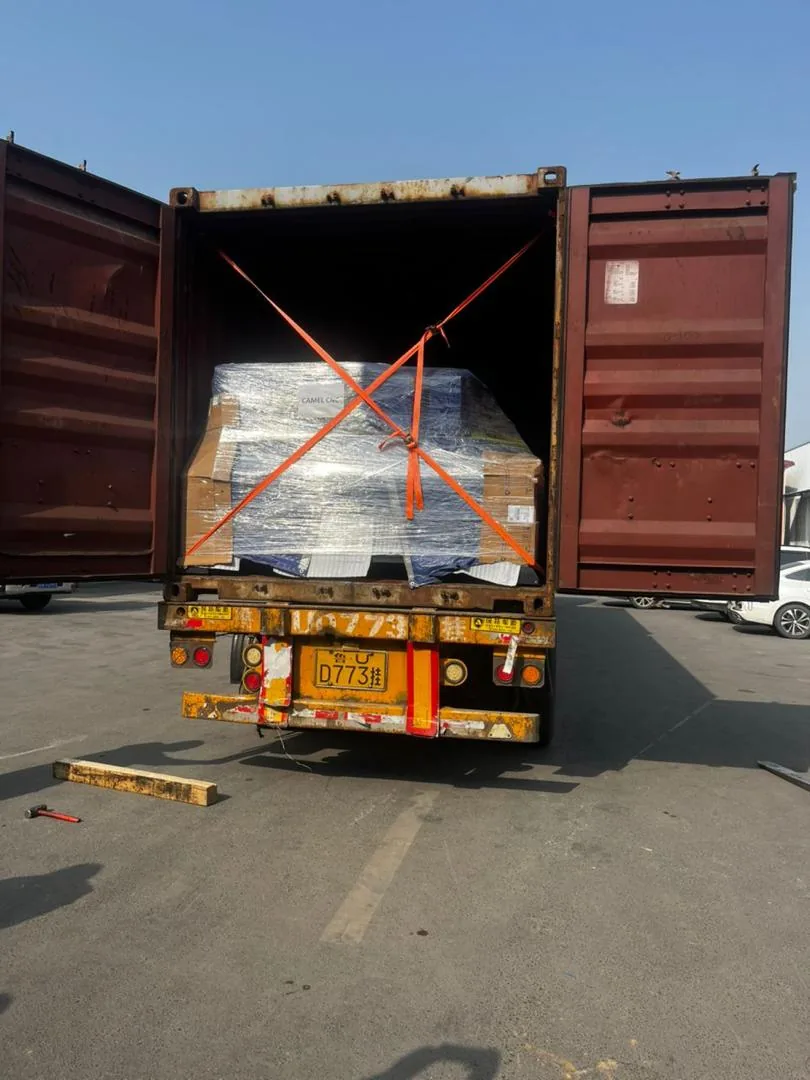
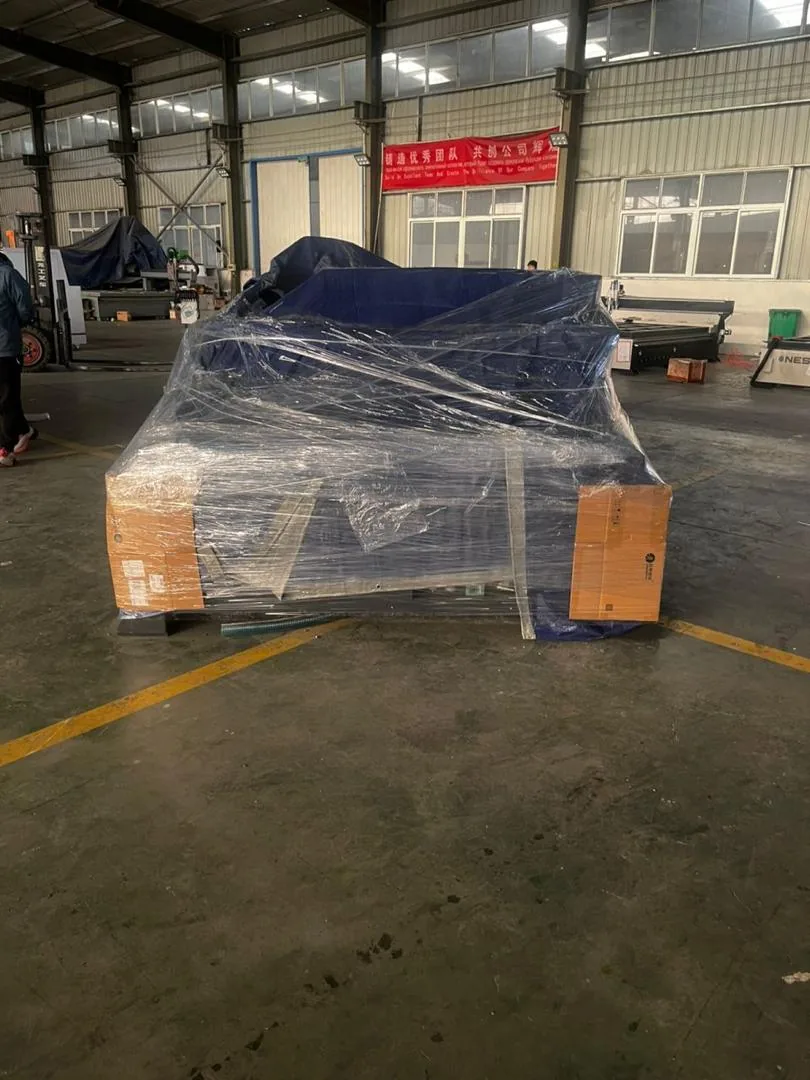
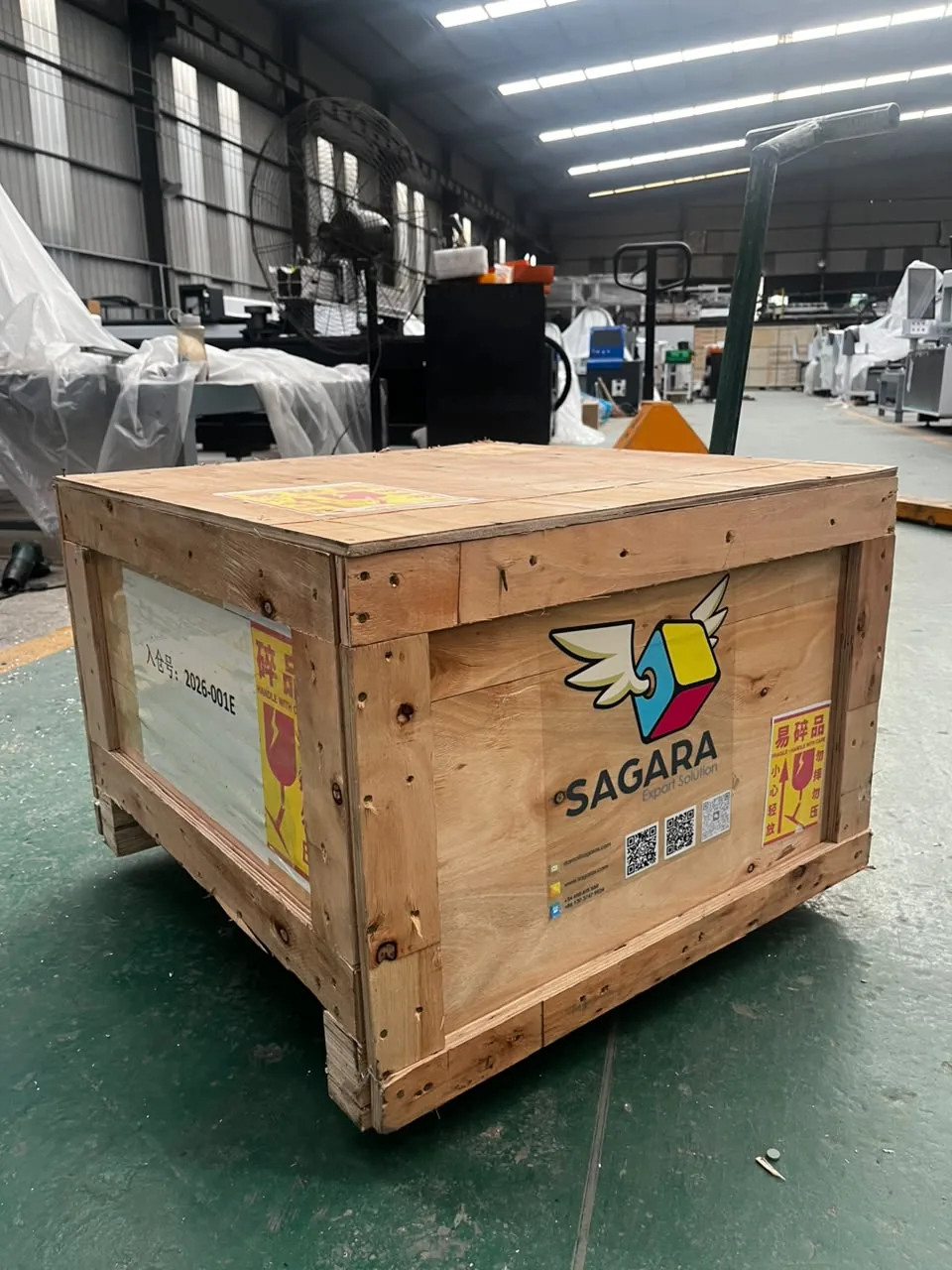
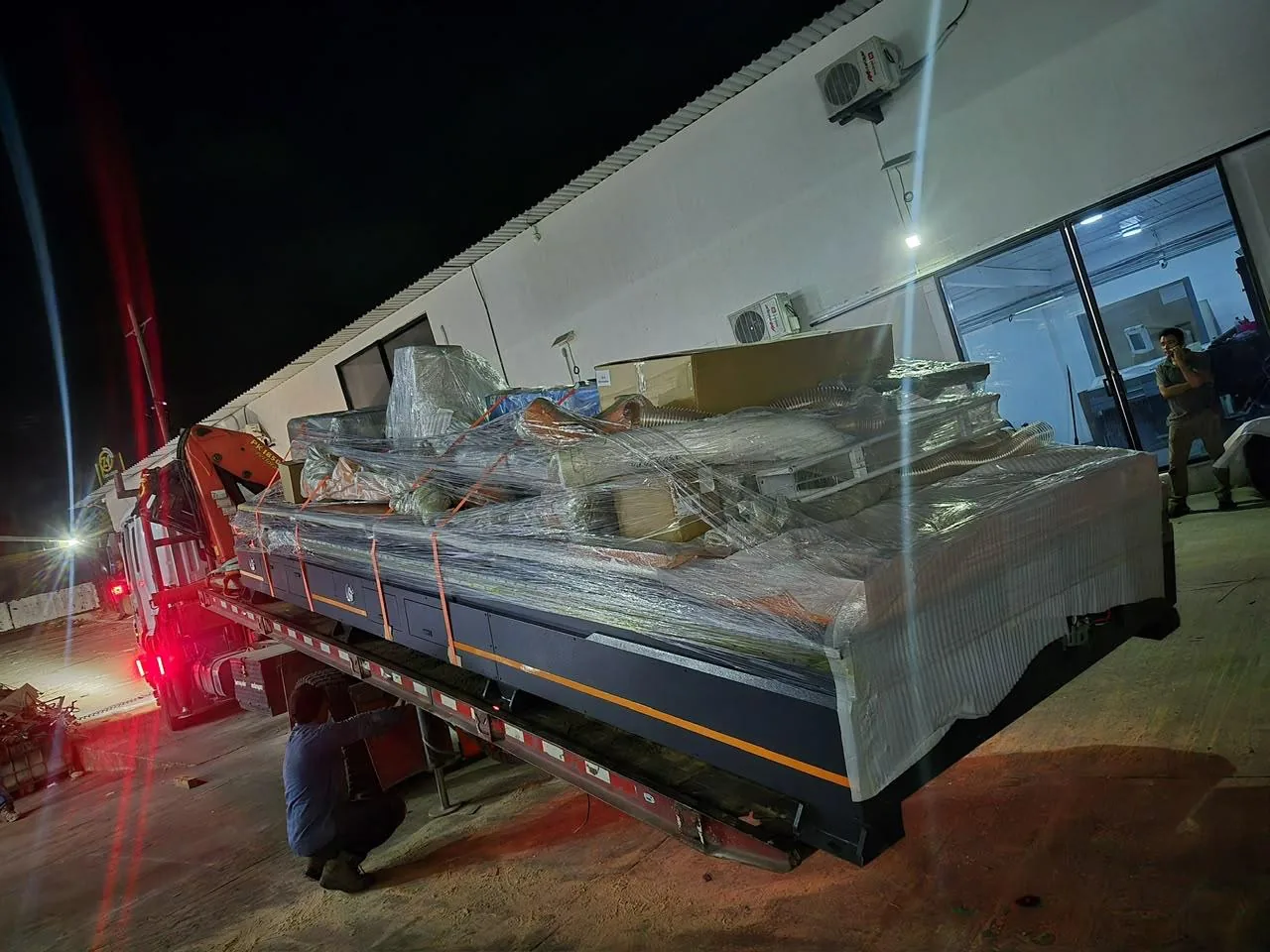
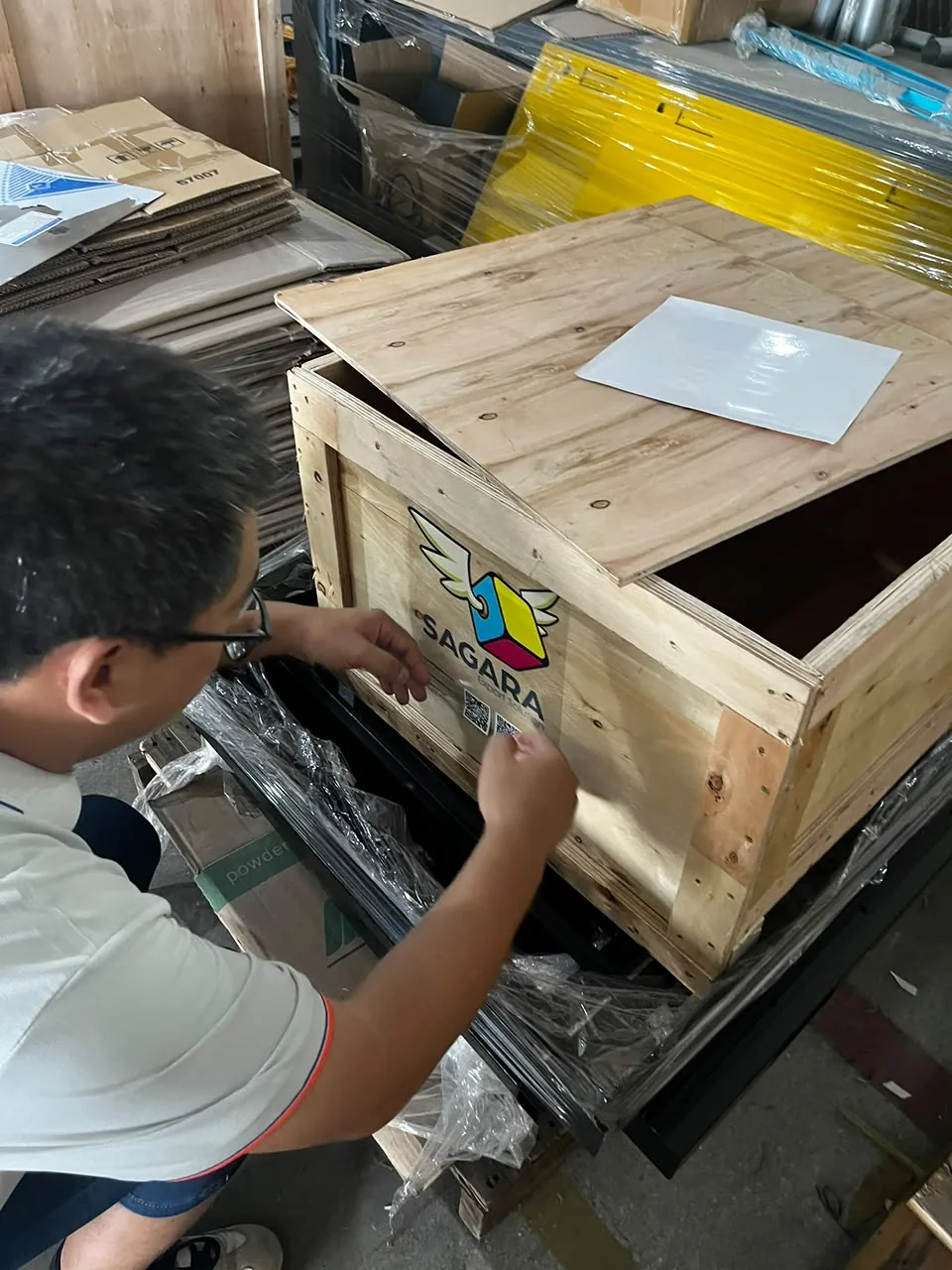
A laser cutter finished at the factory. What comes next is what decides whether it arrives intact: packing, stowage, lashing and the container photographed before sealing.
Finished machine at the factory, before packing · filmed by us
FAQ
What do FOB, CIF and DDP mean?
FOB: the seller delivers the goods loaded on board at the Chinese port; everything after that is yours. CIF: includes freight and insurance to your port, but not customs or inland transport. DDP: delivered to your warehouse with duties paid.
The most common when importing from China is FOB, because it lets you choose and compare freight.
How long does shipping from China take?
By sea, three to six weeks in transit depending on destination, plus production time and customs clearance. By air, three to ten days.
The classic mistake is counting only transit: production is usually the longest part.
Can I combine products from several suppliers into one shipment?
Yes — that's cargo consolidation. We receive the goods from each factory, check them, group them and one shipment leaves. It's almost always cheaper than shipping separately.
Who pays import taxes?
Unless the incoterm is DDP, the importer pays them at destination, calculated on the value of the goods plus freight and insurance. Every country has its own formula: we detail it on your destination page.
Which incoterms do you work with?
EXW, FOB, CIF and DDP. FOB or CIF are the most common at factory level, but we adapt: from collection at the factory through to delivery with customs included.
Do you help with customs at destination, or only to the port?
We can handle the whole process. If you ask — and sometimes even when you do not — we offer DDP so you have nothing to arrange.
We always check it against the destination and its regulations first.
Do you take small orders, or only full containers?
Small orders too. Not everyone has the capacity to buy by the full container.
Direct channels
Shall we talk about your case?
Tell us what you need to buy, manufacture or inspect in China. We reply with concrete steps, not a brochure.
Message us on WhatsApp
Opens the app with your message already written. We reply from China, in English or Spanish.
Open WhatsApp ⟶Send us an email
Opens your mail app with the subject and message ready. Just hit send.
Open email ⟶